
All the Wrong Places
What we learned at school, what we see in movies and television shows, things we read, experiences we have… we all have an idea of where something is supposed to be. For example, mention of a span of ice stretching for hundreds of miles with no human in sight might make us think of the Arctic or Antarctic.
But our world is full of wonders, both purely natural and those reflecting Man’s handiwork. Sometimes we are surprised, because some things are in unexpected locations.
Where in the World?
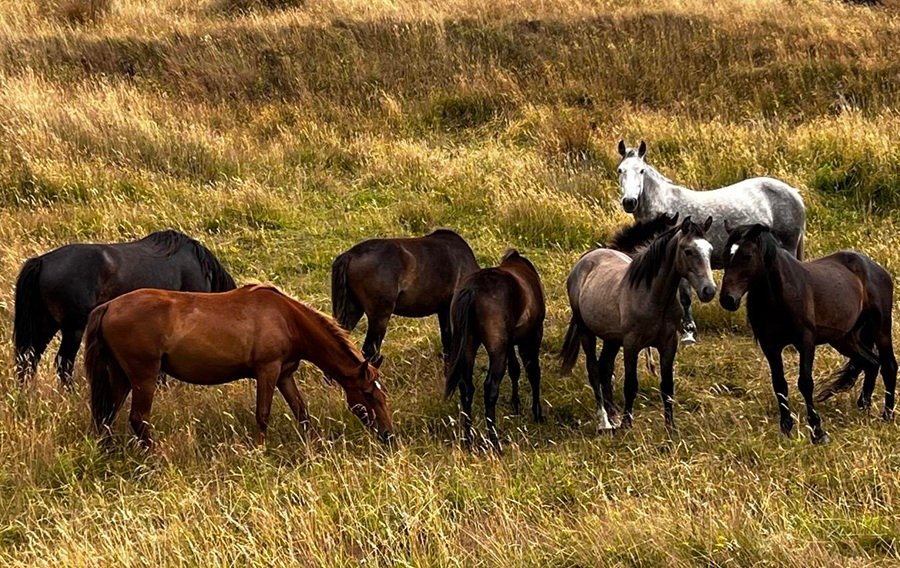
European settlers brought their horses with them to use for transportation and farm work. The natives had never seen horses before, but soon understood how useful the animals were, and began began using them for their own purposes.
In due course, many horses escaped and became feral. Wild herds have become well established.
Where they aren’t: The American west.
Where they are: New Zealand
They are primarily found in the Kaimanawa Range of the central North Island. The Department of Conservation manages the population to minimize the threat to native ecosystems.
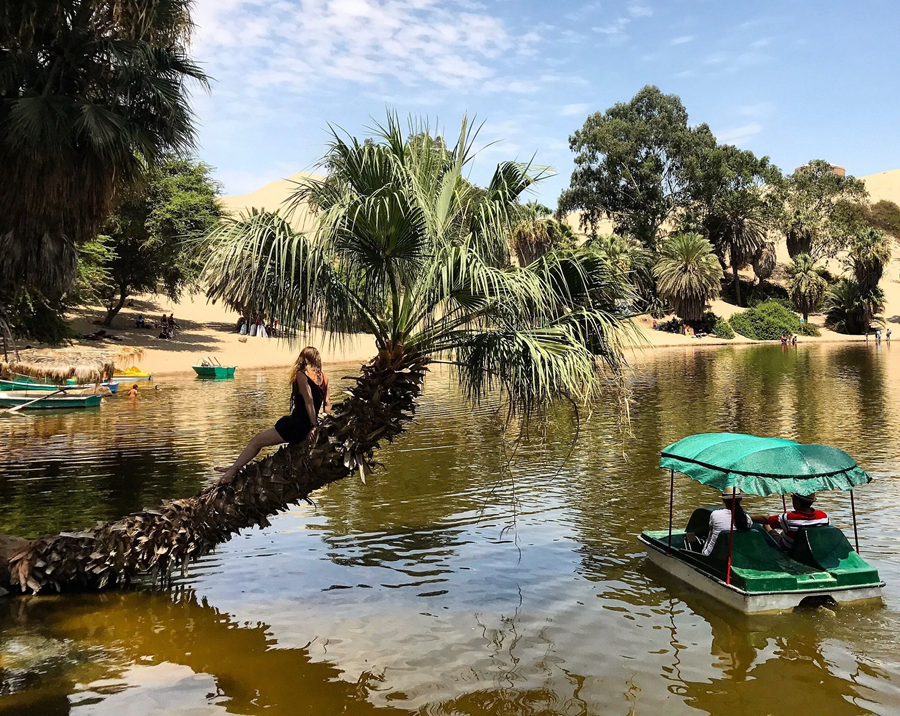
Picture yourself lounging on the warm sandy beach, under palm trees that reach almost to the water’s edge. Enjoy the water by taking a dip, or hiring a paddle boat. On the nearby dunes, you can go sandboarding or ride dune buggies.
Where it’s not: Wherever you’re thinking.
Where it is: Huacachina, Peru, an oasis in the middle of the desert.
Huacachina is a considerable distance from the Pacific ocean, and is built around a natural desert freshwater lake fed by underground aquifers. Since the 1960s, it’s been a popular summer resort for tourists from around the world. Tens of thousands of vacationers visit each year.
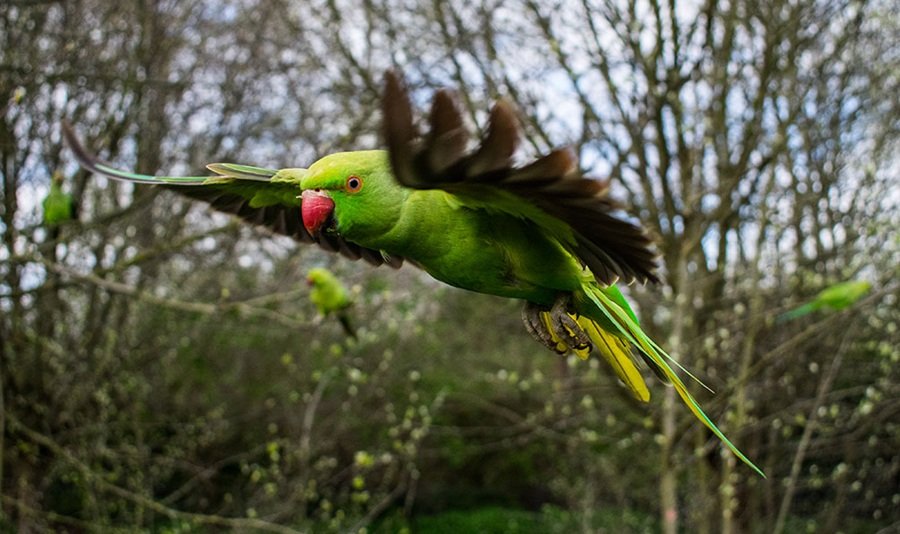
Observe the noisy and beautiful flocks of Ringneck Parakeets as they fly overhead or congregate in the trees, where they build their nests and raise their young.
Where they aren’t: Their native ranges in north Africa and South Asia.
Where they are: London, England.
Captive Ringneck Parakeets escaped in the 1960s, and have become well established wild birds in and around London.
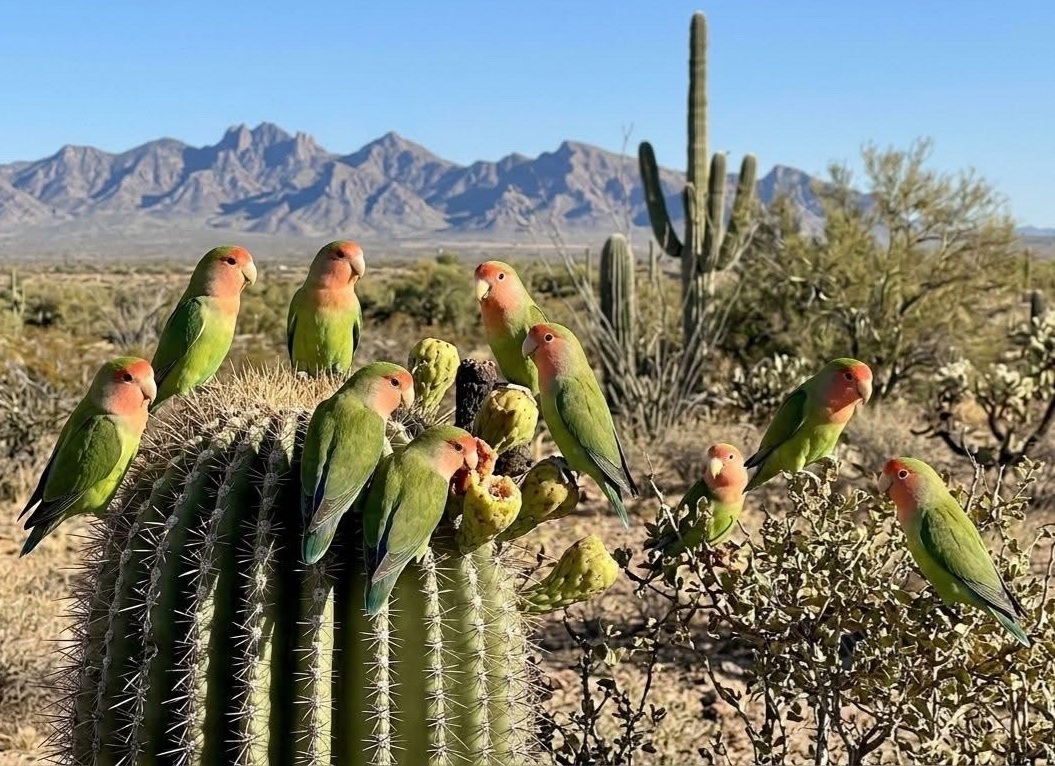
In fact, escaped Ringneck Parakeets are only one of many species of parrots which have established wild populations in cities and rural environs around the world, from South American Amazon parrots in Germany to African Peach Faced Lovebirds in the Arizona desert, some of which can be seen in the featured image at the top of this post.
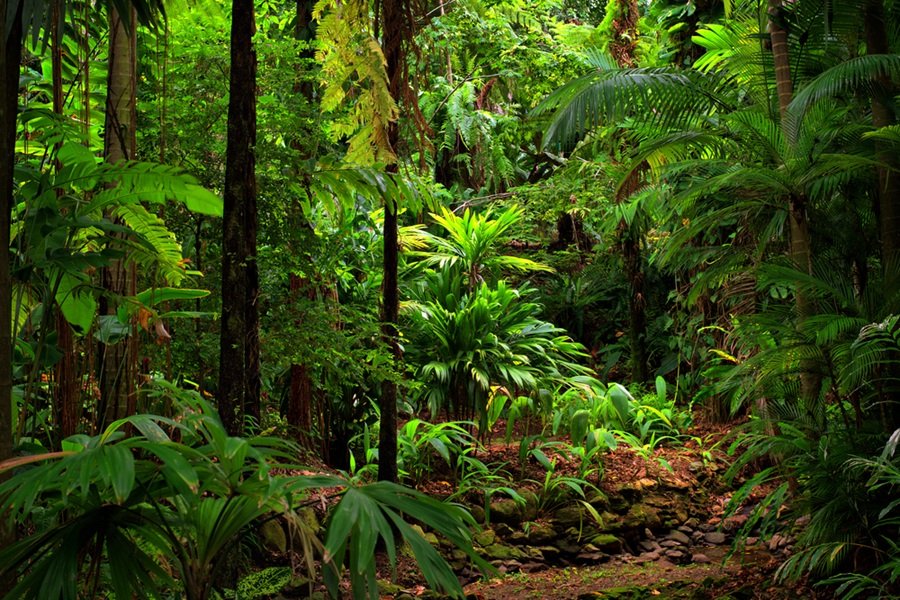
Darkness closes in on you from the thick tree canopy if you venture too far into this jungle. Overhead, colorful birds sing from the branches they roost on, and exotic butterflies flit around in the sunshine above the leaves. Ahead of you, shy creatures slink into hiding places. Be careful where you step, lest your foot land on a deadly venomous snake!
Where it’s not: South America or anywhere in the northern Hemisphere.
Where it is: Queensland, Australia.
Aged at 180 million years, the Daintree Rainforest is the oldest jungle in the world. Although guided tours are available in a few select locations, most of the 1,200 square kilometers (463 square miles) is unexplored and off limits to all but qualified researchers, who come from all over the world to study the unique and rare species of animals and plants which call this place home.
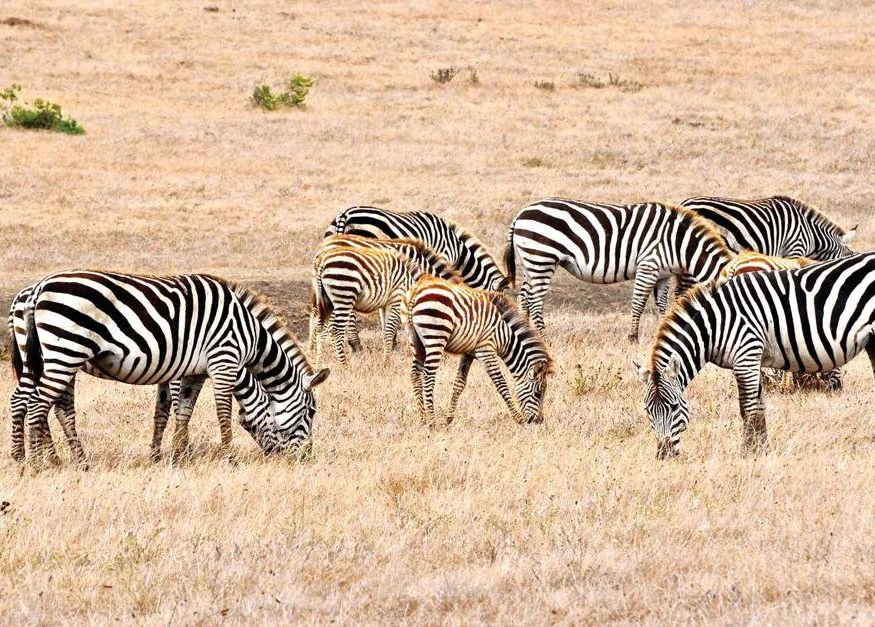
It’s rather calming to watch these herds of zebras slowly moving across grasslands as they graze. If you’re lucky, you might even see a baby zebra trailing along with it’s mother.
Where they aren’t: Africa.
Where they are: The hills of San Simeon on California’s Central Coast.
William Randolph Hearst established a private zoo in the 1920s. The zoo was shut down in the 1930s. Most of the animals found homes in other zoos, but the zebras were just turned loose. They’ve been multiplying ever since, numbering up to 150 individuals currently. The population continues to increase and they are beginning to expand into surrounding areas.
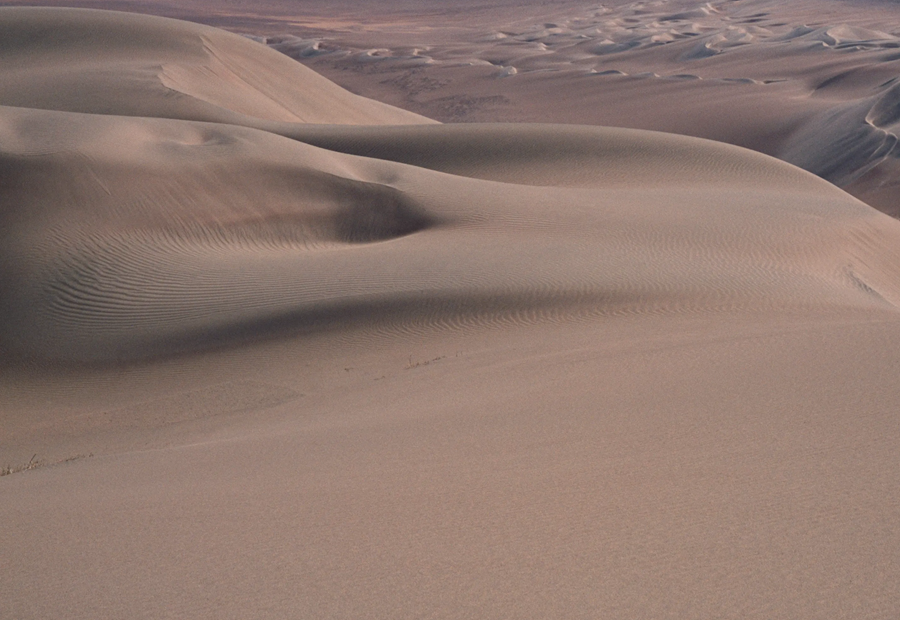
The dry sand stretches on for hundreds of miles, the winds shaping and reshaping it into dunes. The average annual rainfall is less than 0.2 inches. That’s less than an inch in five years.
What it isn’t: The Sahara or whatever else you were probably thinking of.
What it is: The Atacama Desert in Chile.
Covering an area of 105,000 square kilometers (41,000 square miles), the Atacama is one of the driest and largest deserts on Earth.
Due to it’s aridity and remoteness, the science community has found it useful for everything from several astronomical observatories, to an experimental site for Mars expedition simulations.
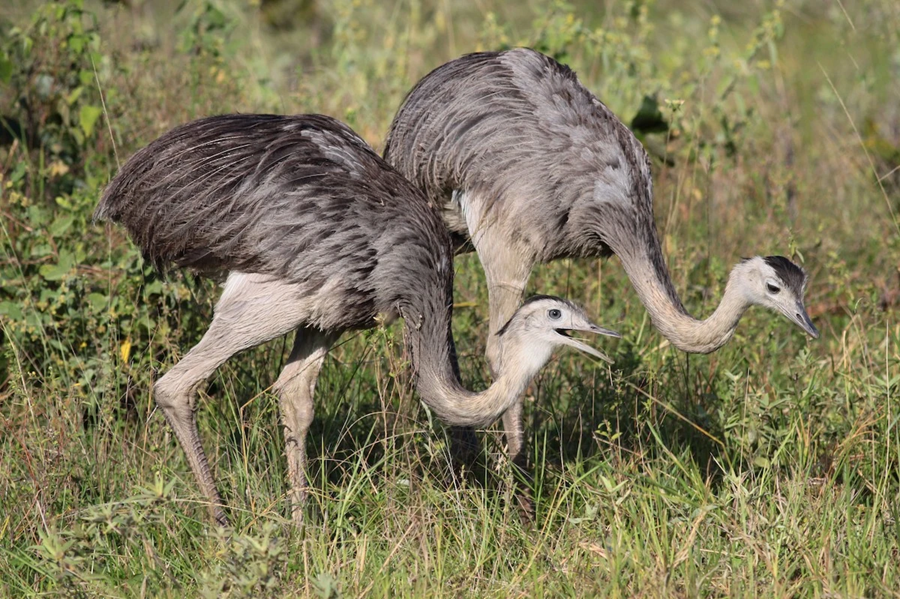
A little smaller than their Ostrich cousins, Rheas are also flightless and fast runners. Male rheas incubate the eggs and raise the young, the same as ostriches. They have a varied diet, and their love of grain crops has made them a bane to the local farmers in this region.
Where they’re not: Their native South America
Where they are: Germany
Hundreds of wild Rheas have become established in northeast Germany, the original birds having escaped captivity. Their numbers in South America are dangerously decreasing due to hunting and human encroachment in their native habitats. Ironically, their population is increasing in Germany due to the German Federal Nature Conservation Act, which states that a new species that survives and breeds successfully in the wild for several generations is considered native. They have become a protected German species with no natural predators there, and hunting or harming them is prohibited.
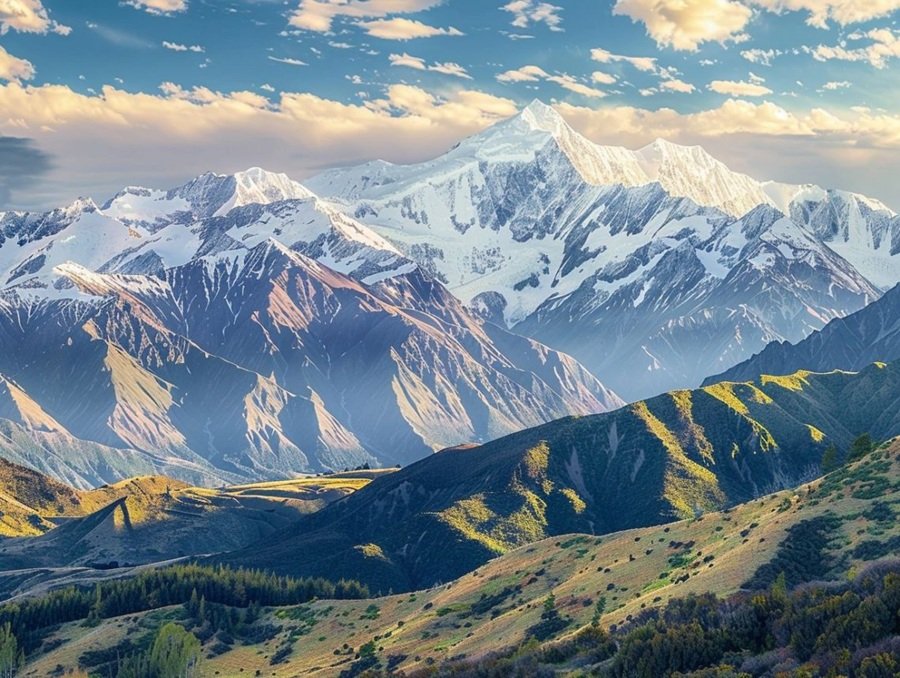
This rugged ice covered mountain range attracts adventurers from all over the world. More than 18 peaks exceed 3,000 meters (9,800 feet) in height, the tallest rising to an elevation of 3,497 meters (11,473 feet).
Where it’s not: Wherever you’re probably thinking
Where it is: New Zealand.
The New Zealand Southern Alps seem incongruous in a country which is primarily warm and wet in the summer, with mild winters. The mountains themselves are home to many rare species of animals found nowhere else in the world.
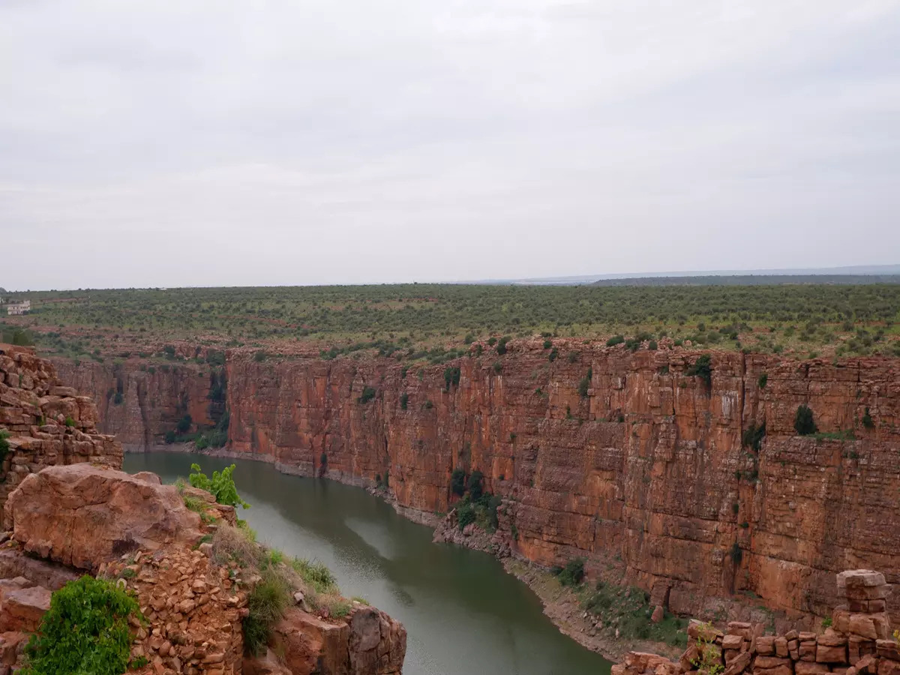
Featuring red sandstone cliffs, deep gorges and massive, layered red granite rock formations, this stunningly beautiful canyon results from millions of years of erosion, weathering, and sedimentation from the river that flows through it.
Where it isn’t: Arizona, USA.
Where it is: The Kadapa District of Andhra Pradesh in India.
Gandikota, known as the Grand Canyon of India, is much smaller than it’s American counterpart, but it’s spectacular natural attributes attracts visitors and adventurers from all over the world. Available activities includes boating and kayaking down the Penna River, as well as trekking, rock climbing, rappelling, and camping out.
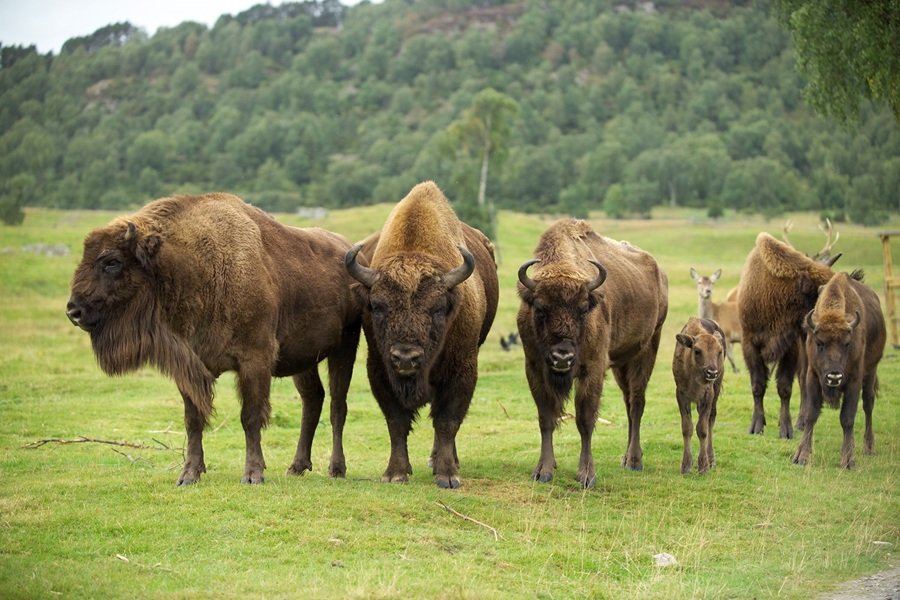
Great herds of these bison once roamed far and wide, but farmland encroachment and hunting almost drove them into extinction by the early 20th century. Conservation efforts have brought them back from the brink, and their numbers have greatly increased over the last hundred years.
Where they aren’t: North America.
Where they are: Several countries in Europe.
European Bison are a little taller, a little lankier and a little less shaggy than their American cousins. Free-ranging herds are currently found in Poland, Lithuania, Belarus, Ukraine, Bulgaria, Romania, Russia, Slovakia, Latvia, Switzerland, Kyrgyzstan, and Germany.
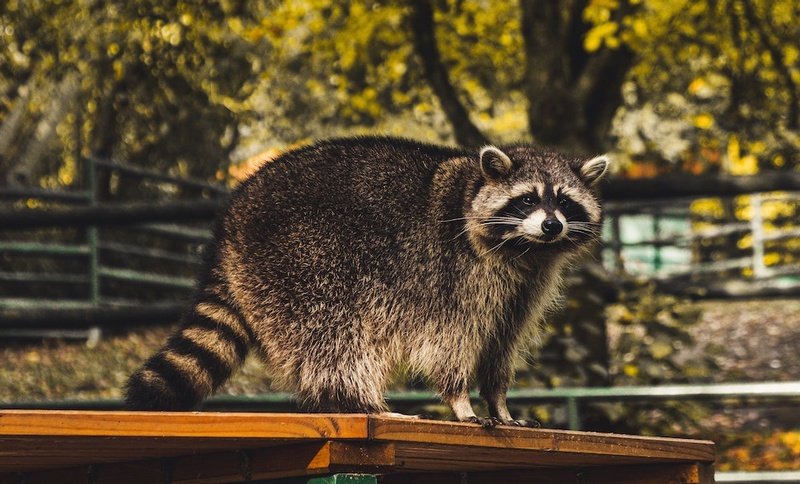
This land is a wildlife photographer’s dream, boasting woodlands, wetlands, coastal regions and mountains. Some of the wildlife includes raccoons, beavers, otters, brown bears, wild pigs, lynx, deer, wolves, foxes, wild goats, Golden Eagles, salmon, and so much more.
Where it’s not: North America.
Where it is: Russia.
Russia is very large, with terrains as varied as the US. The two countries share many of the same and similar species. The raccoons in Russia are descendants of escaped exotic pets which have become well established in the wild. The Eurasian beaver is facing stiff competition from introduced American beavers.

It’s rated as one of the top ten surf destinations in the world, and hosts most of the international surfing competitions.
Where it’s not: Wherever you’re thinking.
Where it is: Sri Lanka.
This island nation is famous for its surf, attracting both experienced and novice surfers all year around. A mix of shore breaks and reefs offer something for everyone, regardless of the level of experience.
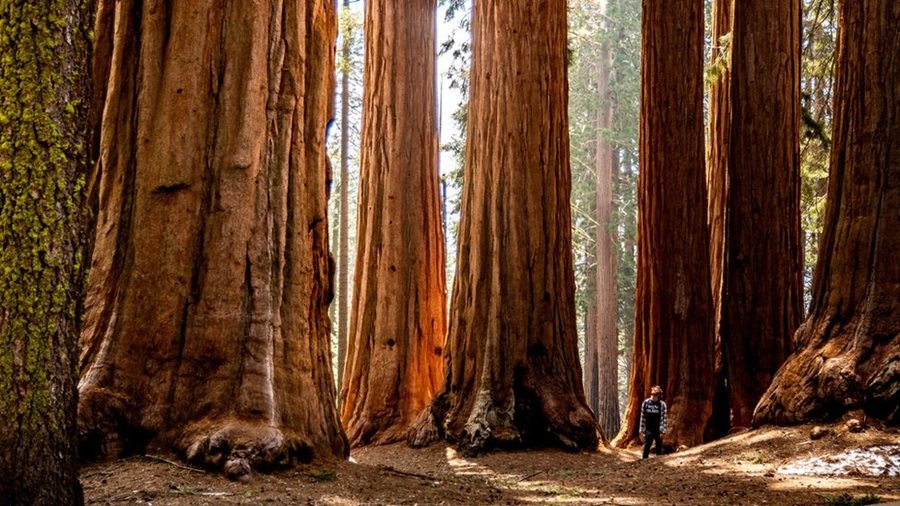
You will feel as small as an ant when you wind your way through this forest of sequoias and giant redwoods. These are some of the largest living things on Earth, and can live up to 3000 years of age.
Where they aren’t: California
Where they are: England.
Victorians were enamored of these enormous American trees, and began importing young specimens in the middle of the 19th century. The wealthy planted them on their estates as a status symbol.
In spite of the climactic differences between California and England, the trees have thrived in their new home, and do what trees do: produce lots of seeds, resulting in many offspring.
They have adapted so well in the UK, that they now number about half a million there, compared to just 80,000 in California.
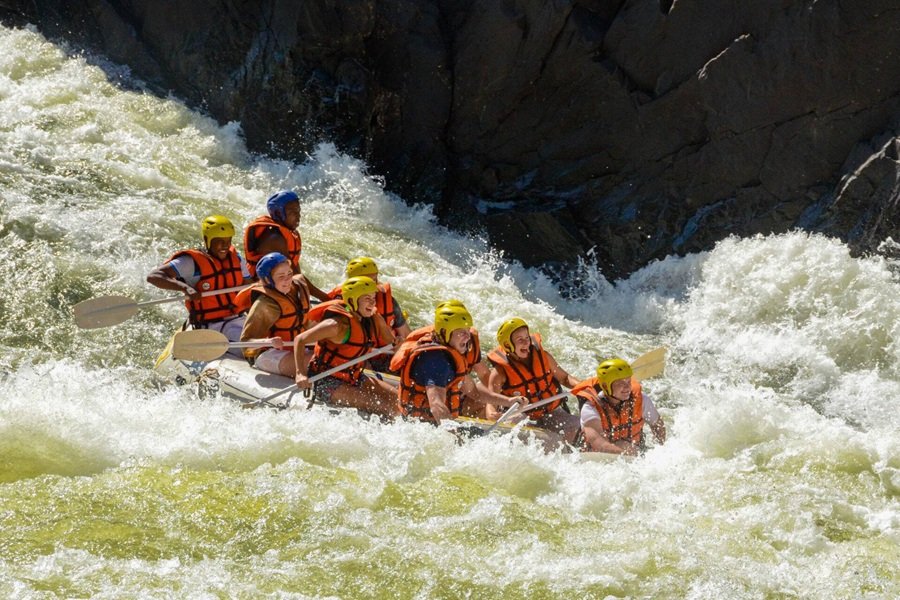
This river is considered by most to provide the best whitewater rafting in the world, attracting tens of thousands of adventurers annually.
Where it’s not: Wherever you’re probably thinking
Where it is: Zambezi River, Zimbabwe, in Africa
Flowing for 2600 kilometers (1,600 miles), the Zambezi River features 25 rapids, many of them being Class 5 for experts only. For the less experienced, well trained guides can navigate the boats through calmer stretches of the river.
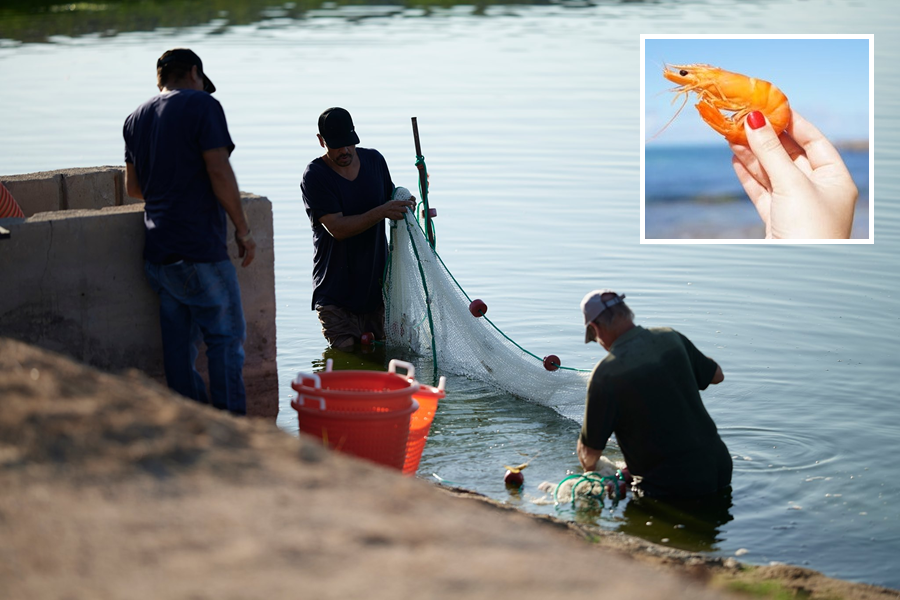
Exceptionally high quality shrimp are harvested here for the seafood market.
Where it’s not: Anywhere near any ocean.
Where it is: In Gila Bend, Arizona, in the middle of the desert.
This is the Arizona Desert Shrimp company, which raises the shrimp in large ponds fed by a natural salt water aquifer. Raising them here keeps them free of ocean pollutants and protects coastal ecosystems.
Inland shrimp farms are also found in arid regions in Nevada, Egypt, China, and Oman.
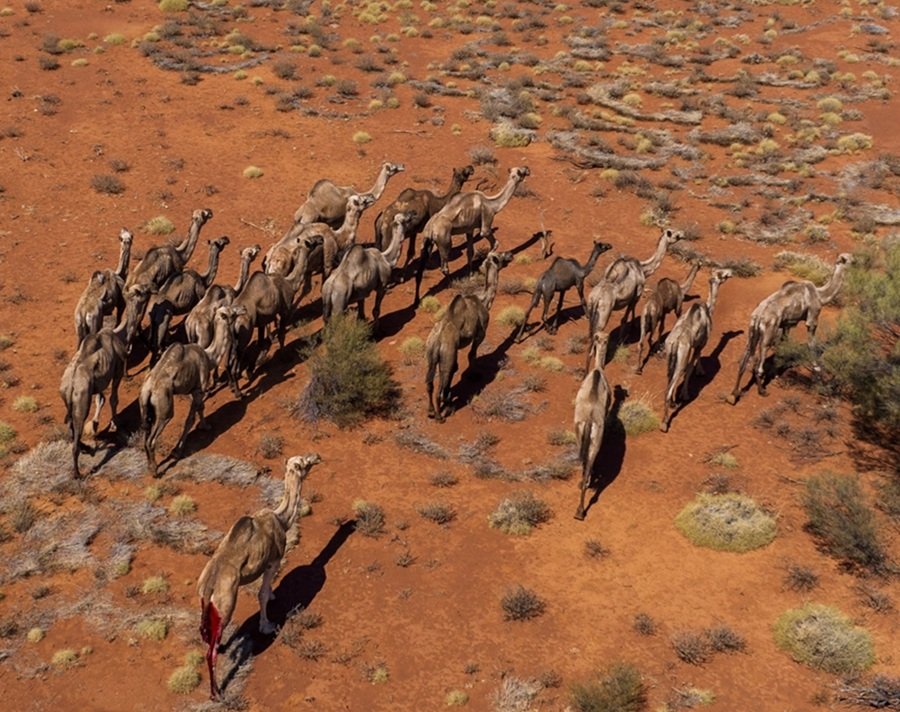
These wild camels are best observed from afar, as they can be aggressive, especially the females with newborn babies, and males in rut. Farmers hate them because they compete with domestic livestock for food.
Where they aren’t: North Africa or the Middle East.
Where they are: Australia.
Imported to Australia as valuable beasts of burden during the 19th century, many were released into the wild after motorcars became available in the early 20th century. This resulted in a fast-growing feral population, with current estimates of up to 1 million individuals.
I’m Sure There Are More…
If I wanted to continue down a few more rabbit holes, I’m sure I could find many more examples of things in unexpected places.
Do you know of any I missed? If so, feel free to mention them in the comments.