


Irreducible Complexity & Automobiles
Irreducible complexity: A concept used by proponents of Intelligent Design and Young Earth Creationism (YEC) to argue that complex organisms could not have evolved gradually from more primitive forms, because they need all their interacting parts to function. If you remove one part, the other parts will cease to function. Therefore, the organism could not have started with fewer parts. It needs all parts all at once in order to function. The only way an organism can exist, they argue, is if God created it as a complete organism.
According to Answers in Genesis and other Intelligent Design proponents, the following examples can be used to “prove” that evolution isn’t possible:
- The Mousetrap Analogy: Michael Behe’s classic example of a system where five parts (base, hammer, spring, catch, and hold-down bar) must all be present for the trap to function. If any part is removed, it can no longer catch mice, mirroring his claim about biological systems.
- Bombardier Beetle: Due to its intricate defensive mechanism, which sprays a caustic chemical mix from a miniature combustion chamber, critics argue that the required components—separate glands for hydroquinone and hydrogen peroxide, a catalyst, and a specialized chamber—must all exist simultaneously to avoid self-destruction, suggesting it could not have evolved step-by-step.
- Bacterial Flagellum: Often called a “molecular motor,” it consists of roughly 40 protein parts including a rotor, stator, and drive shaft. Proponents argue that without any one of these parts, the “motor” would fail to provide motility.
- Blood Clotting Cascade: A complex, multi-step biochemical pathway where various proteins must be present simultaneously. Proponents claim that a partial system would result in either no clotting or uncontrolled clotting, both of which are detrimental.
- The Human Eye: Specifically the molecular level biochemical reactions required for light sensitivity. While gross anatomy is often conceded to evolution, proponents argue the underlying molecular “machinery” is irreducibly complex.
- Cilia: Complex hair-like structures found on the surface of eukaryotic cells used for movement. Behe argues the intraflagellar transport system required to build them involves hundreds of components that must work in unison.
Answers in Genesis et.al. have come to very wrong conclusions.
Evolutionary Biologists agree that:
The examples offered to support the irreducible complexity argument have generally been found to fail to meet the definition and intermediate precursor states have been identified for several structures purported to exhibit irreducible complexity.
- Exaptation (Co-option): Parts of a system may have originally evolved for a different function. For example, parts of the bacterial flagellum are found in the Type III Secretion System, which serves as a “needle” for injecting toxins, not for motility.
- Scaffolding: An “arch” analogy where temporary supports (simpler precursors) are used to build a complex structure and then removed or replaced, leaving a system that appears unable to stand on its own.
- Functional Shift: A system might have worked less efficiently or for a different purpose with fewer parts before becoming specialized for its current role.
The fact is, the evolutionary steps that have been determined from the fossil record, are observable in currently living animals.
Take the eyeball, for example. Evolution demonstrates that the first animals to evolve primitive light-sensing organs appeared 550–700 million years ago, before the Cambrian explosion. Proto-eyes appeared as early as 600 million years ago, and then continued to evolve step by step into various advanced forms of eyes, including the complex camera eye that we see today in vertebrates and cephalopods, including humans and thousands of other species.
These same evolutionary steps are observable in extant species. At one end of the spectrum, flatworms, jellyfish, sea stars, and a number of other species have primitive light-sensing eyespots. At the other end are the remarkable advanced vision systems of most higher vertebrates.
In between, the other evolutionary steps are observable. From proto-eyes, as seen in lancelets (a fish-like chordate) and a few other species, and on through various other gradations, you can line them up from the most primitive to the most advanced forms to parallel the evolutionary record of eye development.
Naturally, if you remove a component from an advanced eyeball, very bad vision, or even blindness will result. But does this prove irreducible complexity? Think about it- more primitive eyes with fewer parts function as they need to.
For the past few years, I’ve watched many debates and arguments about irreducible complexity in science and creationist groups. YECs will bring up the same examples over and over. Evolutionary biologists and paleontologists will explain what the YECs aren’t understanding. YECs won’t listen to logic and evidence.
It occurred to me one day that the evolution of the car could be used homologously to illustrate the evolution of living creatures. And so I present to you:
The Evolution of the Automobile – an Analogy
It’s true that automobiles aren’t living things (but neither is Behe’s mousetrap). And yet, they illustrate well how something can start out simple, and successively advance into more complex forms that must have all their parts to function.
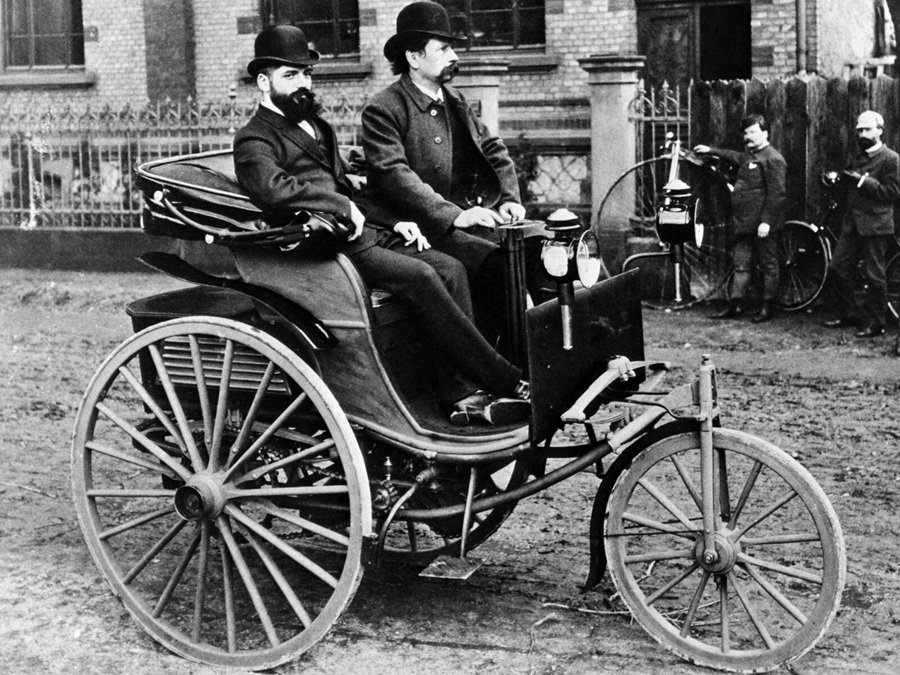
The 1886 Benz Motorwagen had less than 1000 individual components, compared to approximately 30,000 in modern cars. What would happen if you began removing parts from a modern car? It will function incorrectly, or stop running altogether. Think about that very carefully.
How They Started:
The first self-propelled car was invented by Nicolas-Joseph Cugnot in the 1760s and ran on steam power.
The first electric vehicle, a utility truck, was built by Robert Davidson in the 1830s.
A number of inventors tried to perfect internal combustion engines starting as early as 1807, with varying levels of success, but the first commercially successful automobile to use this technology was the Benz Motorwagen. This was the precursor to the modern car.
How They Continued:
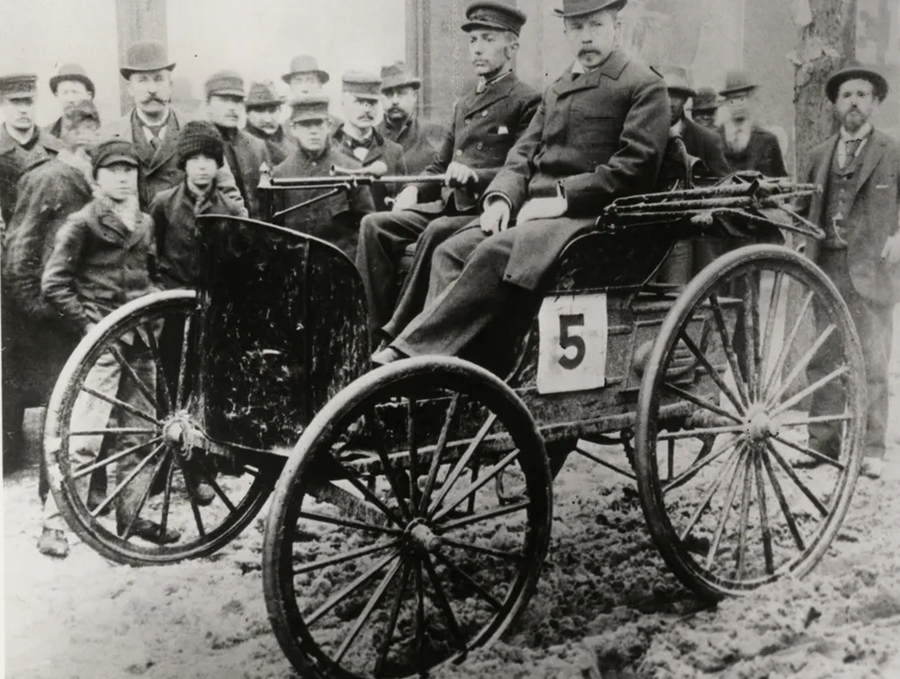
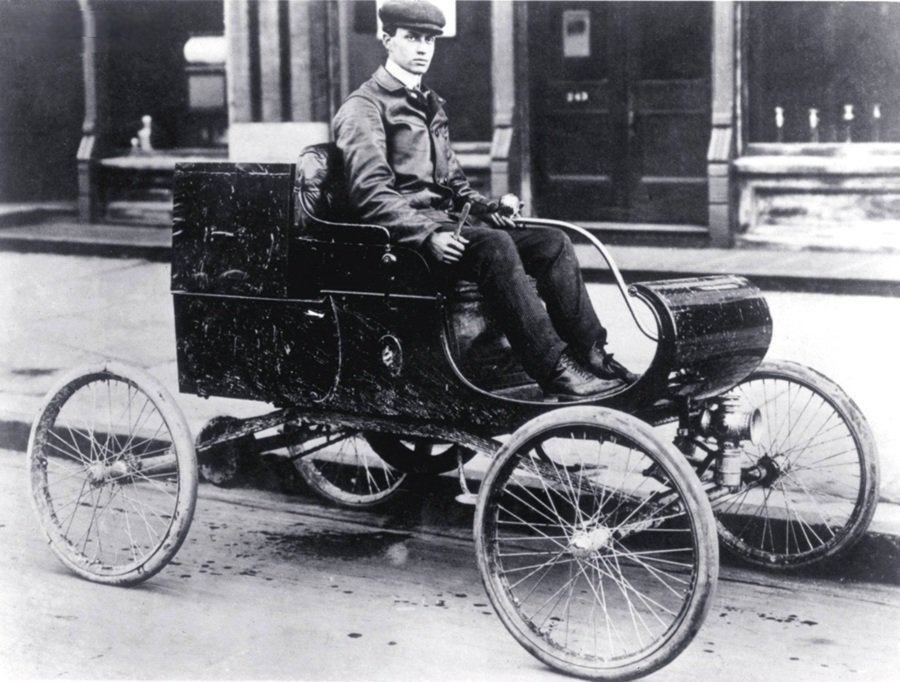
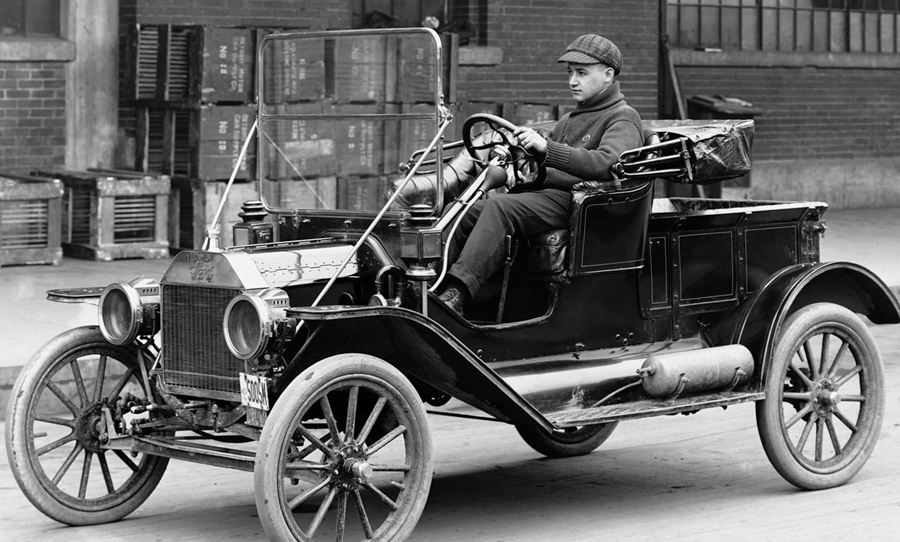
With this new innovation, automobile companies began springing up everywhere. At first, cars were hand-built one at a time, but then Henry Ford introduced the assembly line in 1913. From that point, there was no stopping the motorcar industry. New models were continually introduced. Each new model boasted improvements in function, and sported new features. To date, several thousand models have entered the market.
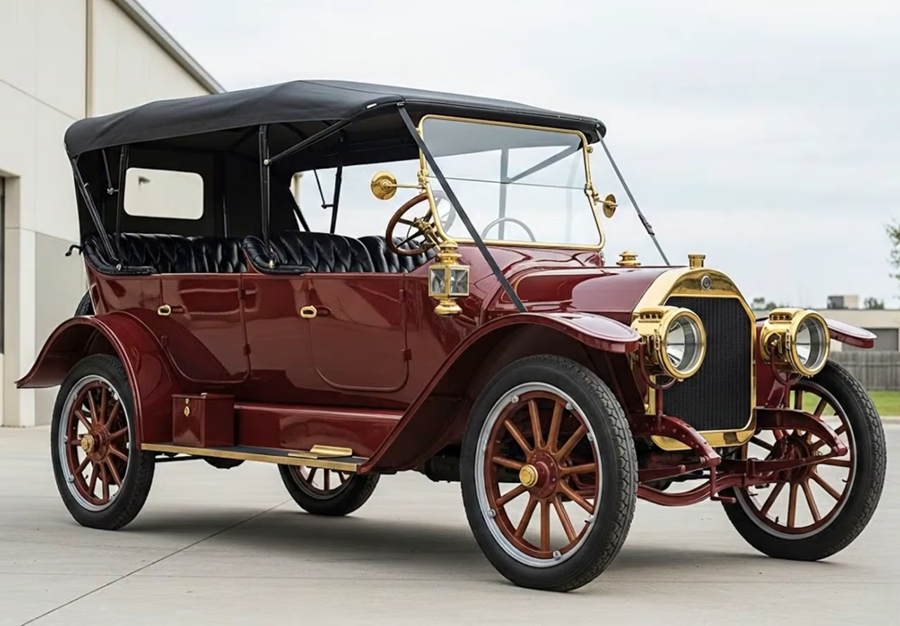
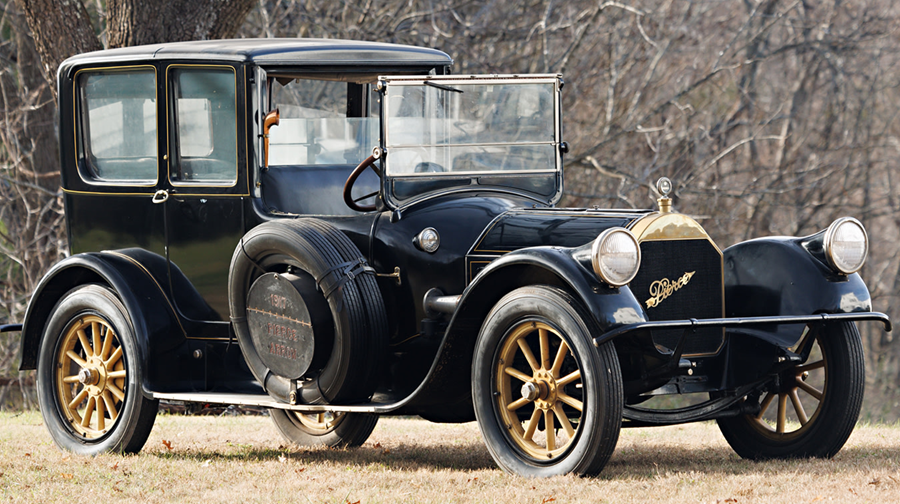
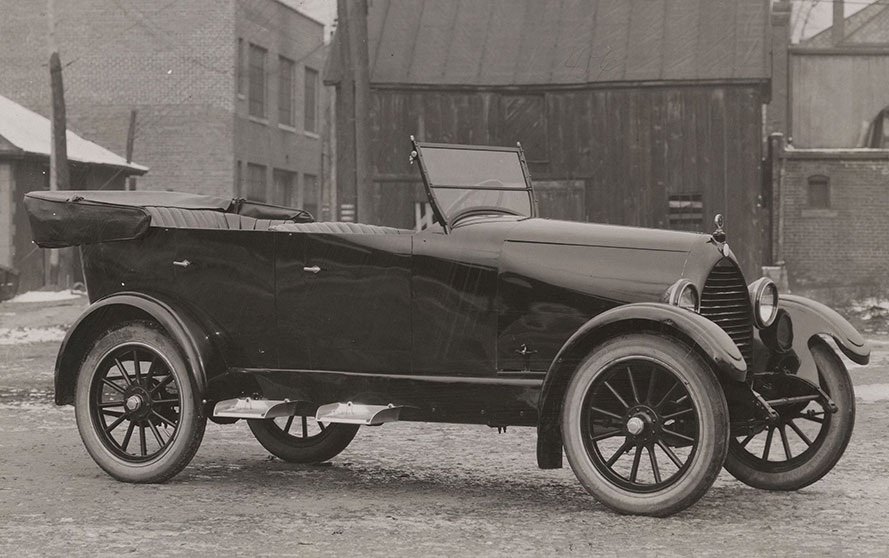
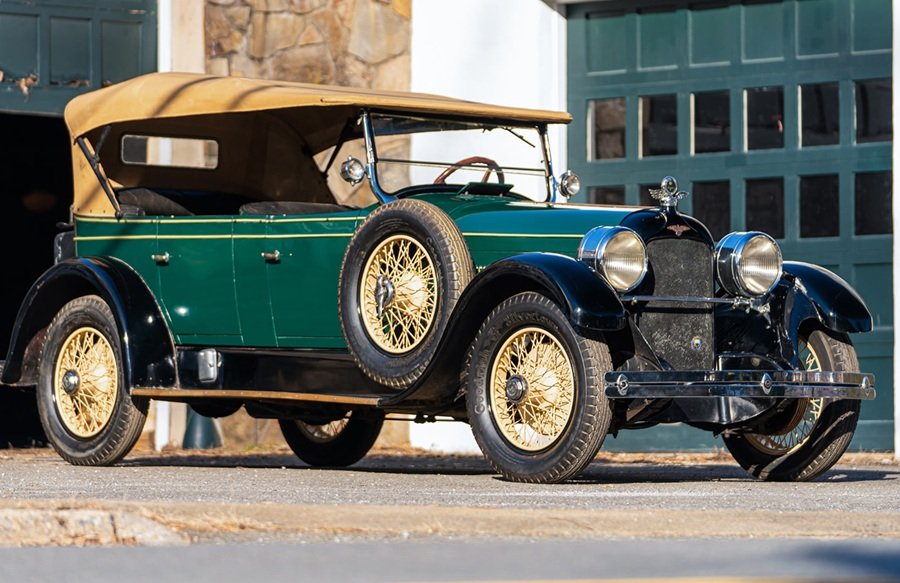
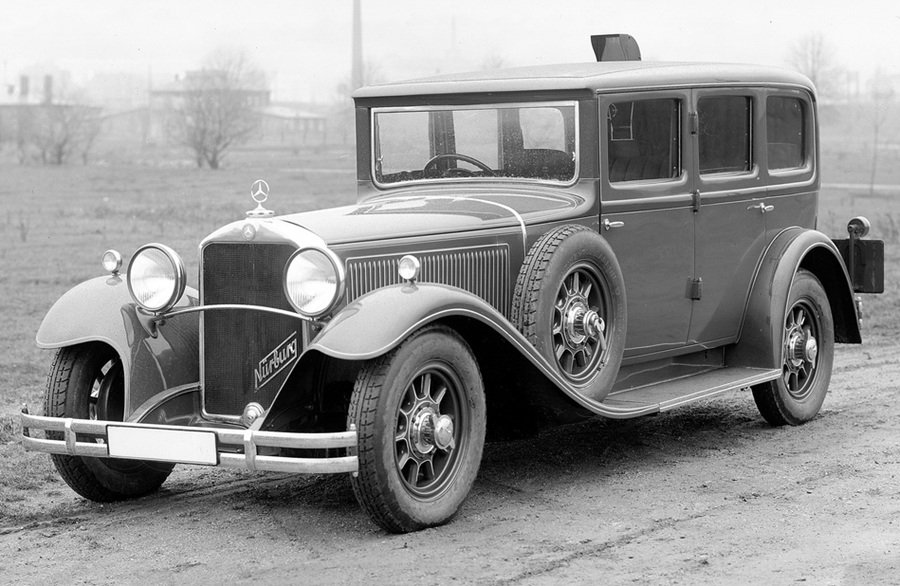
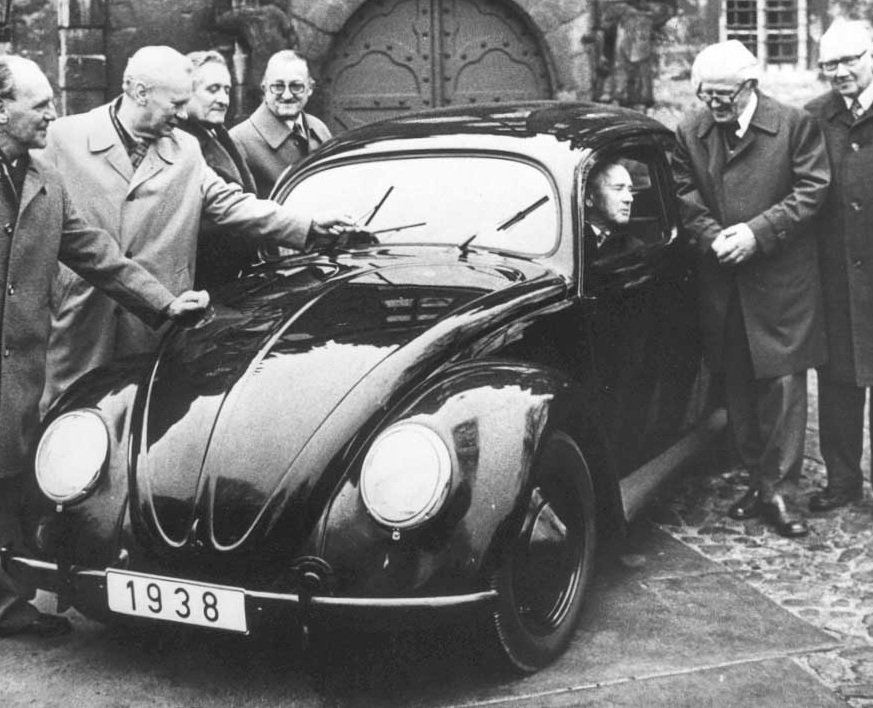
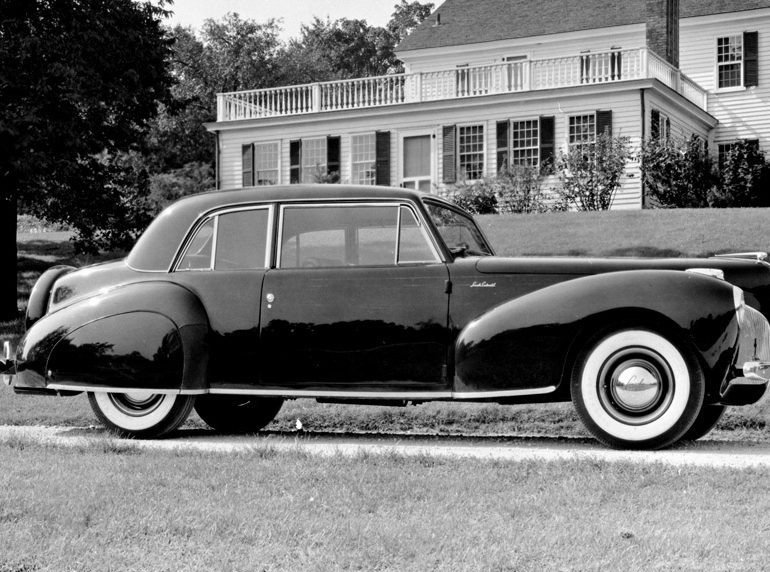
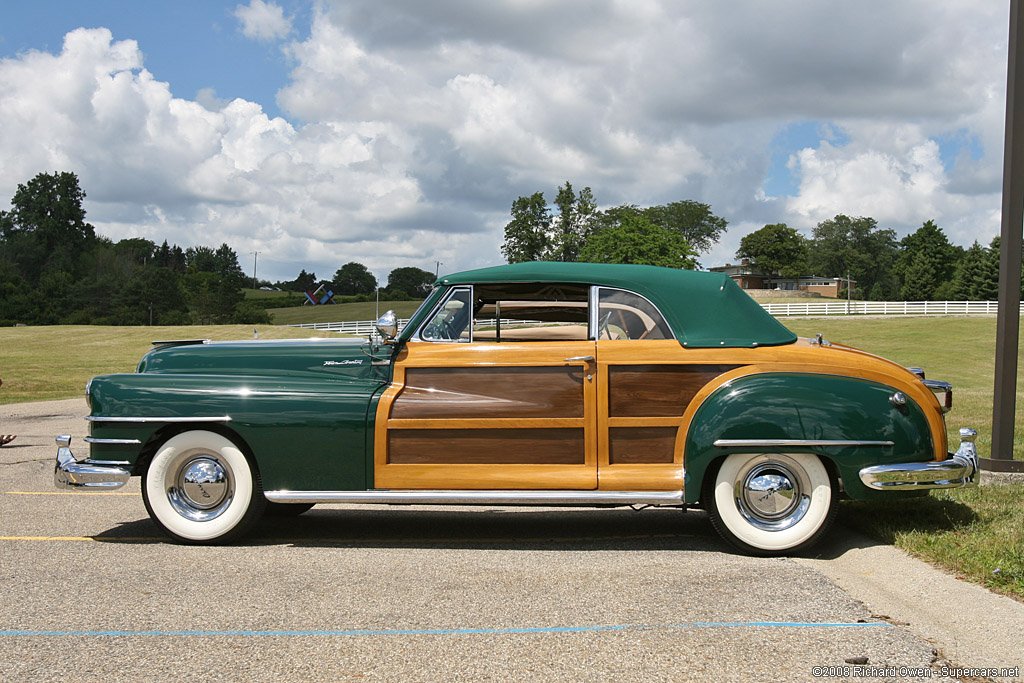
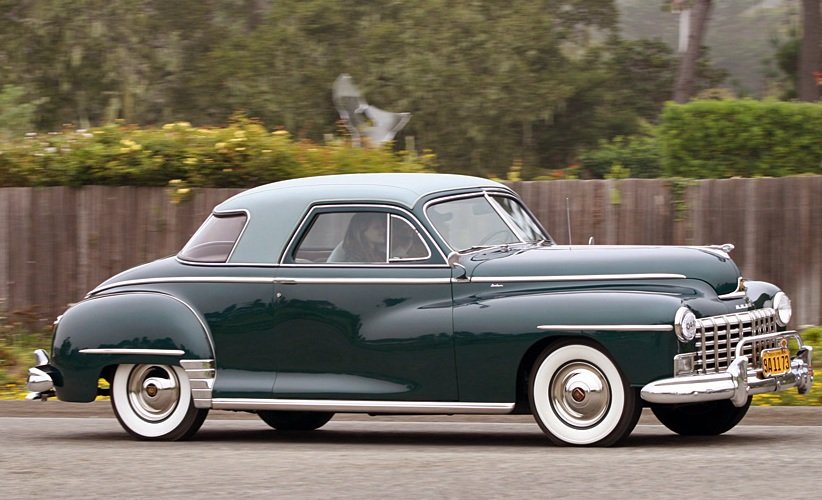
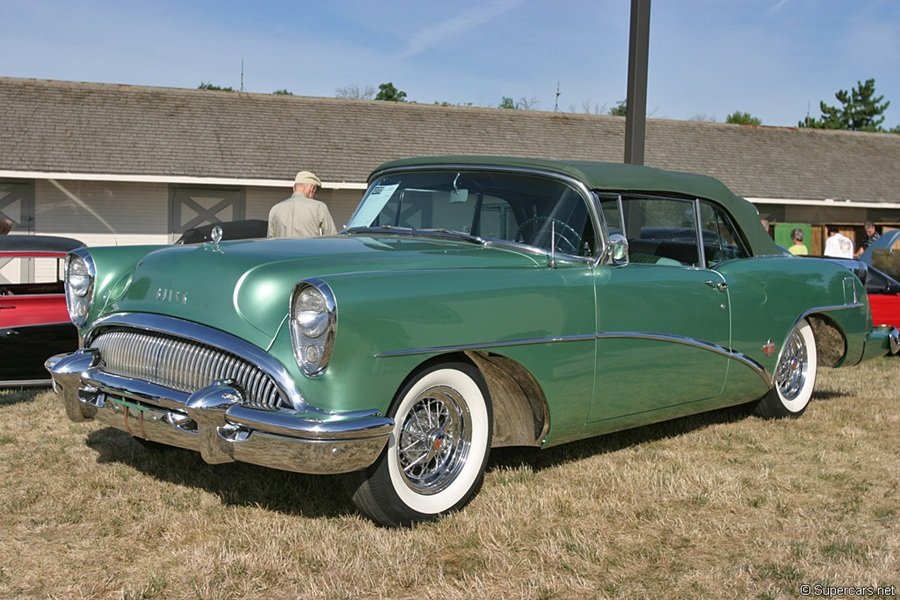
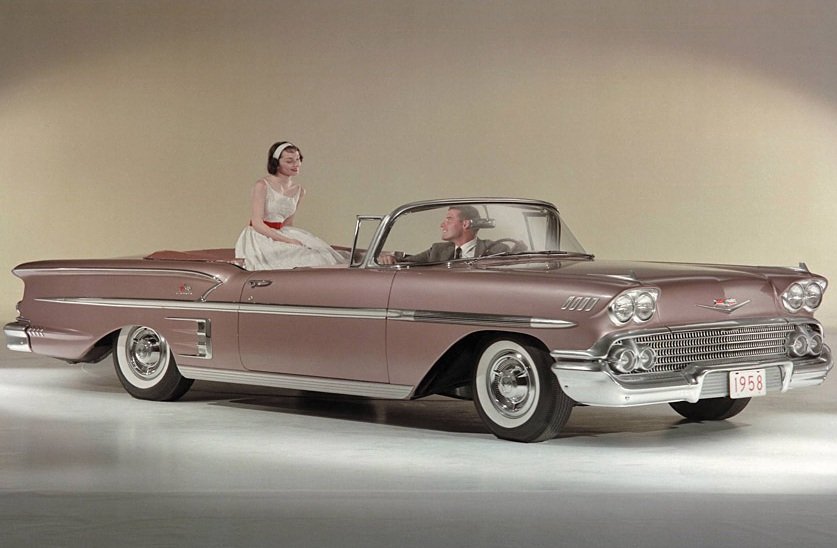
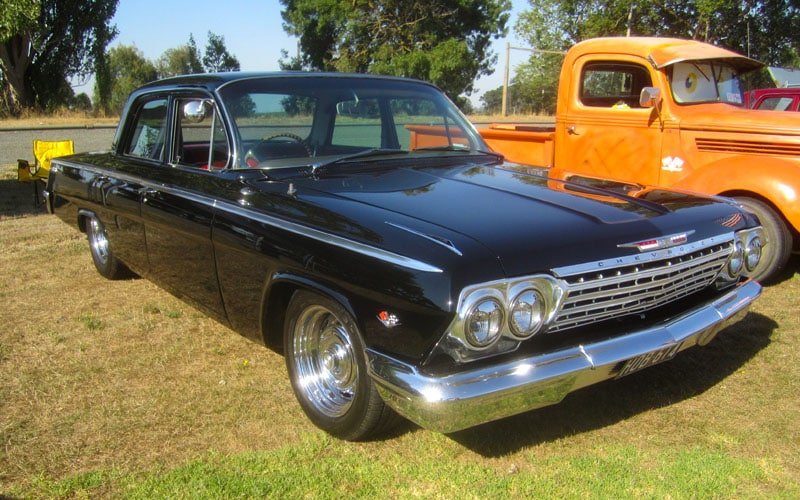
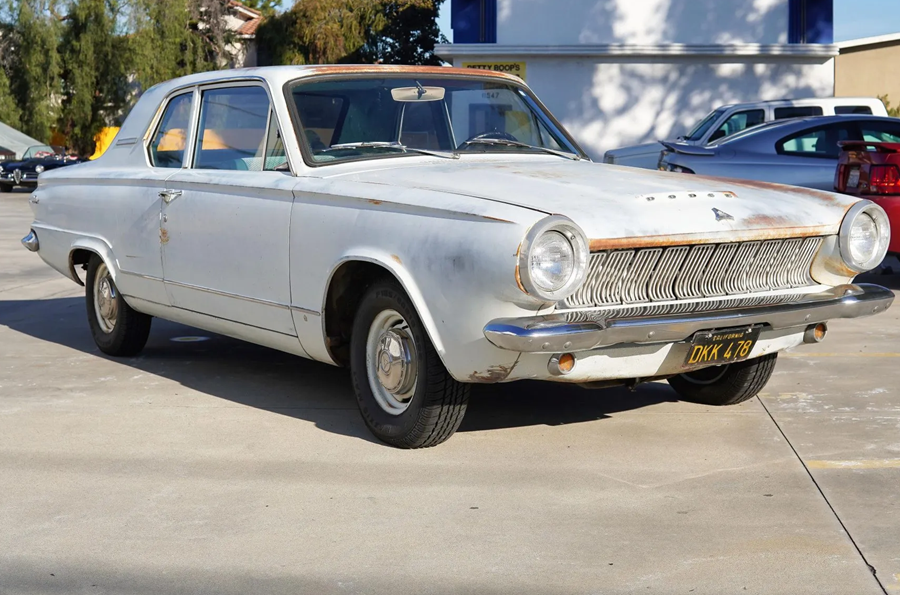
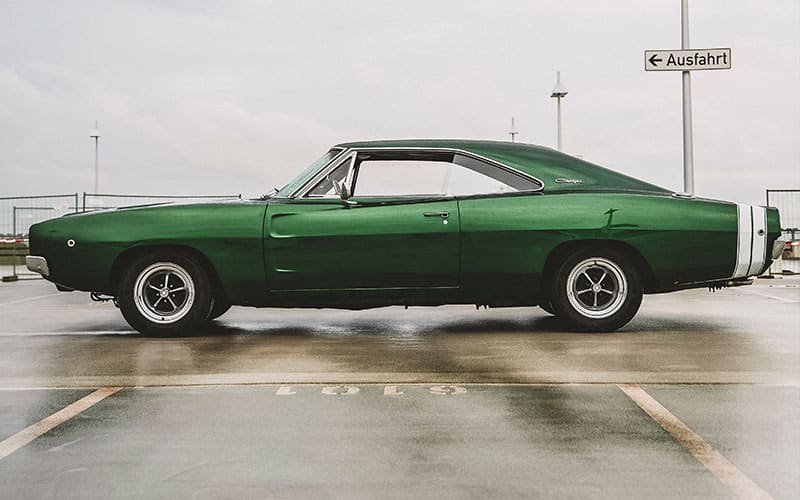
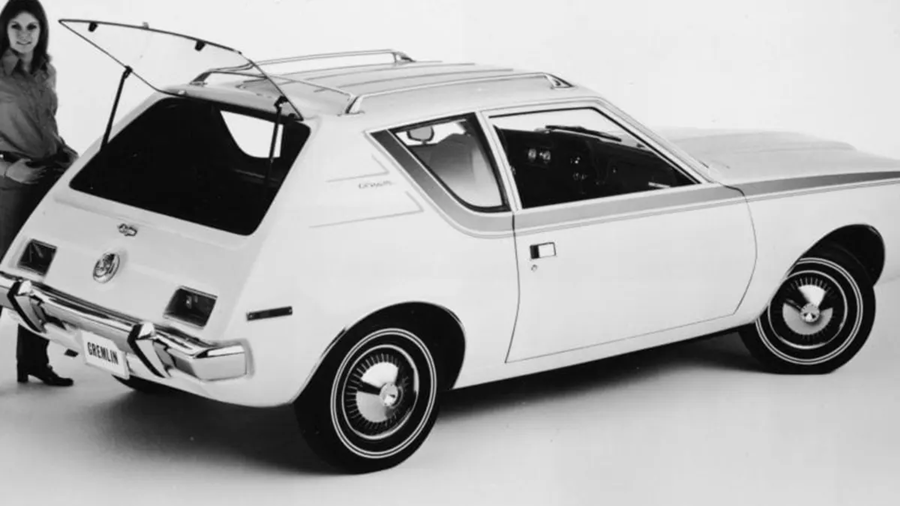
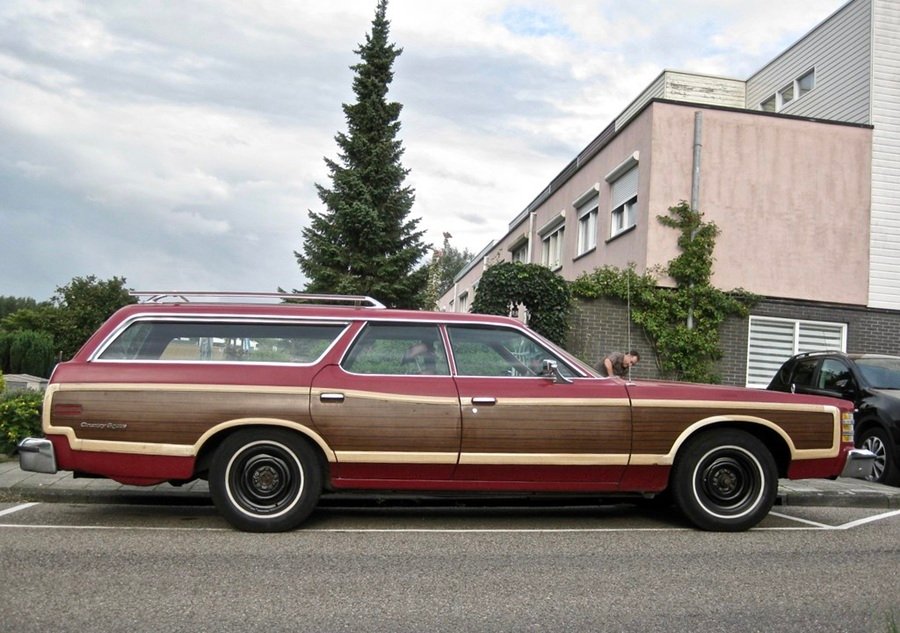
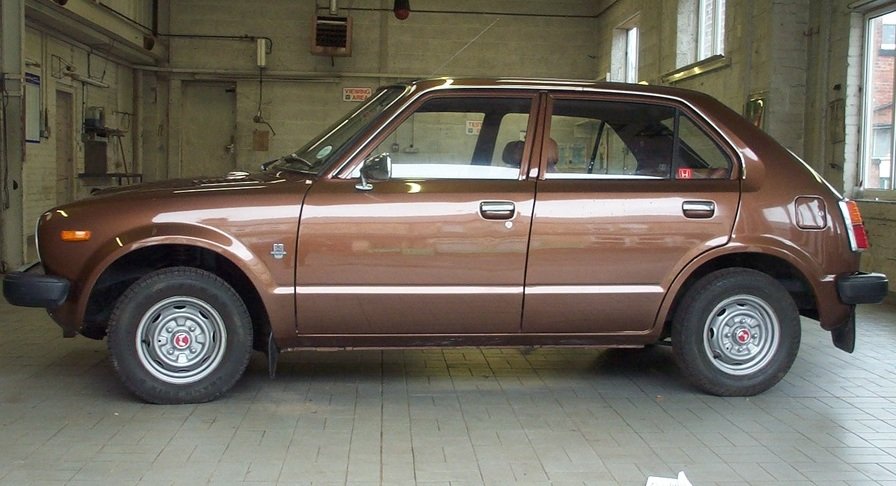
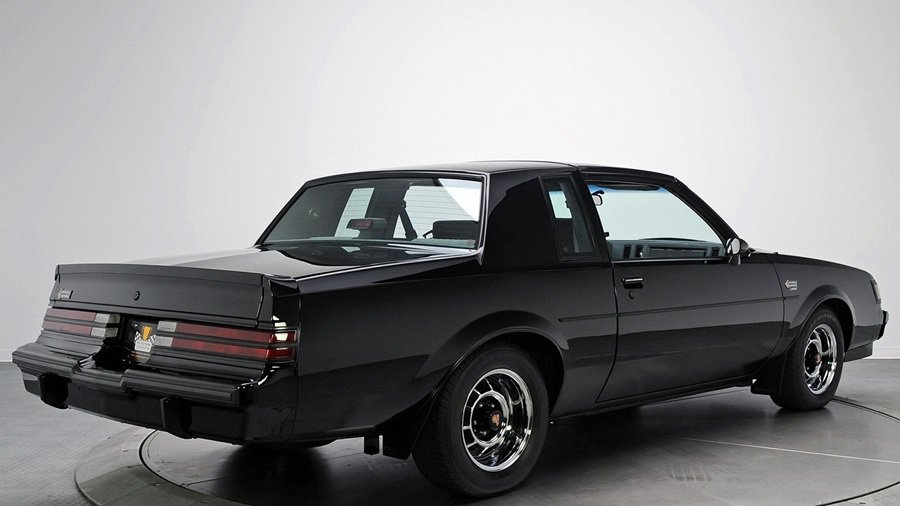
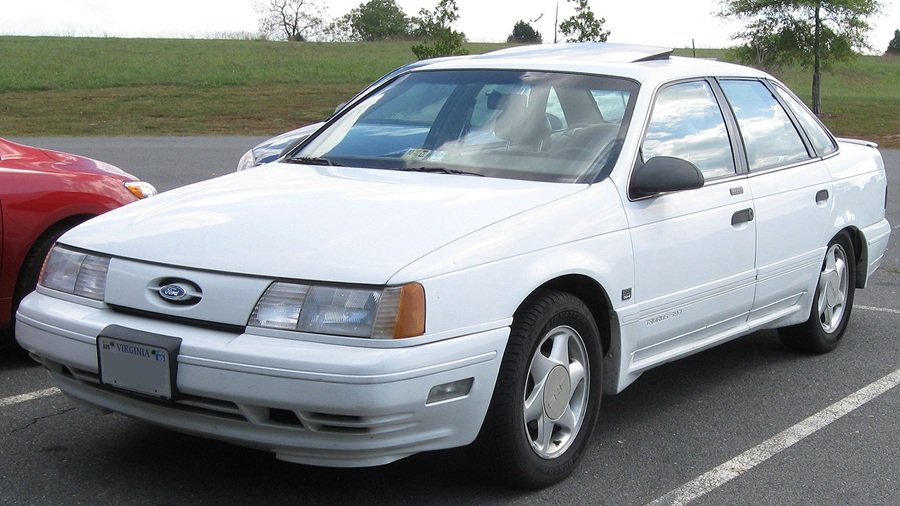
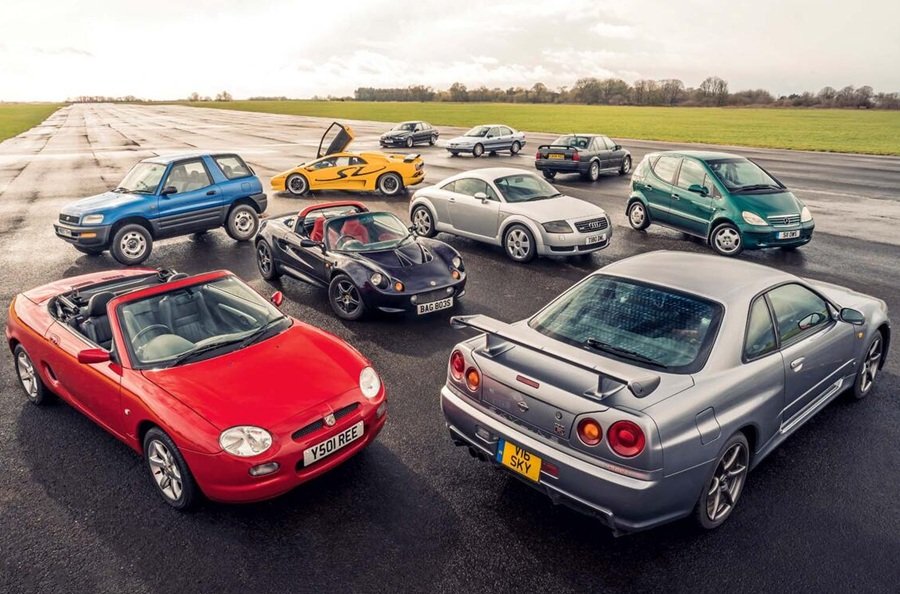
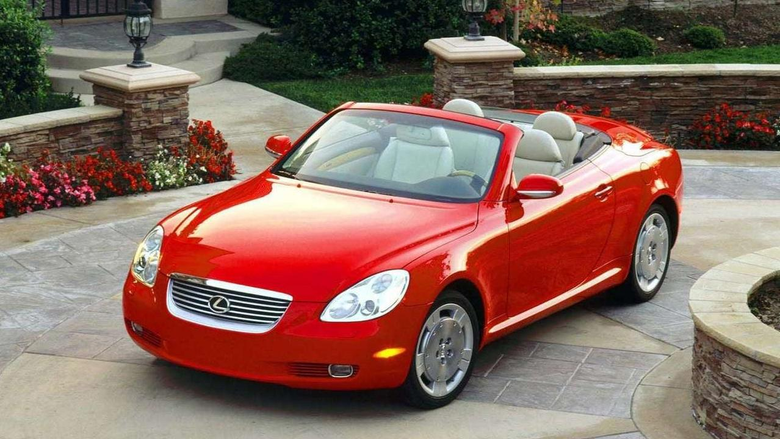
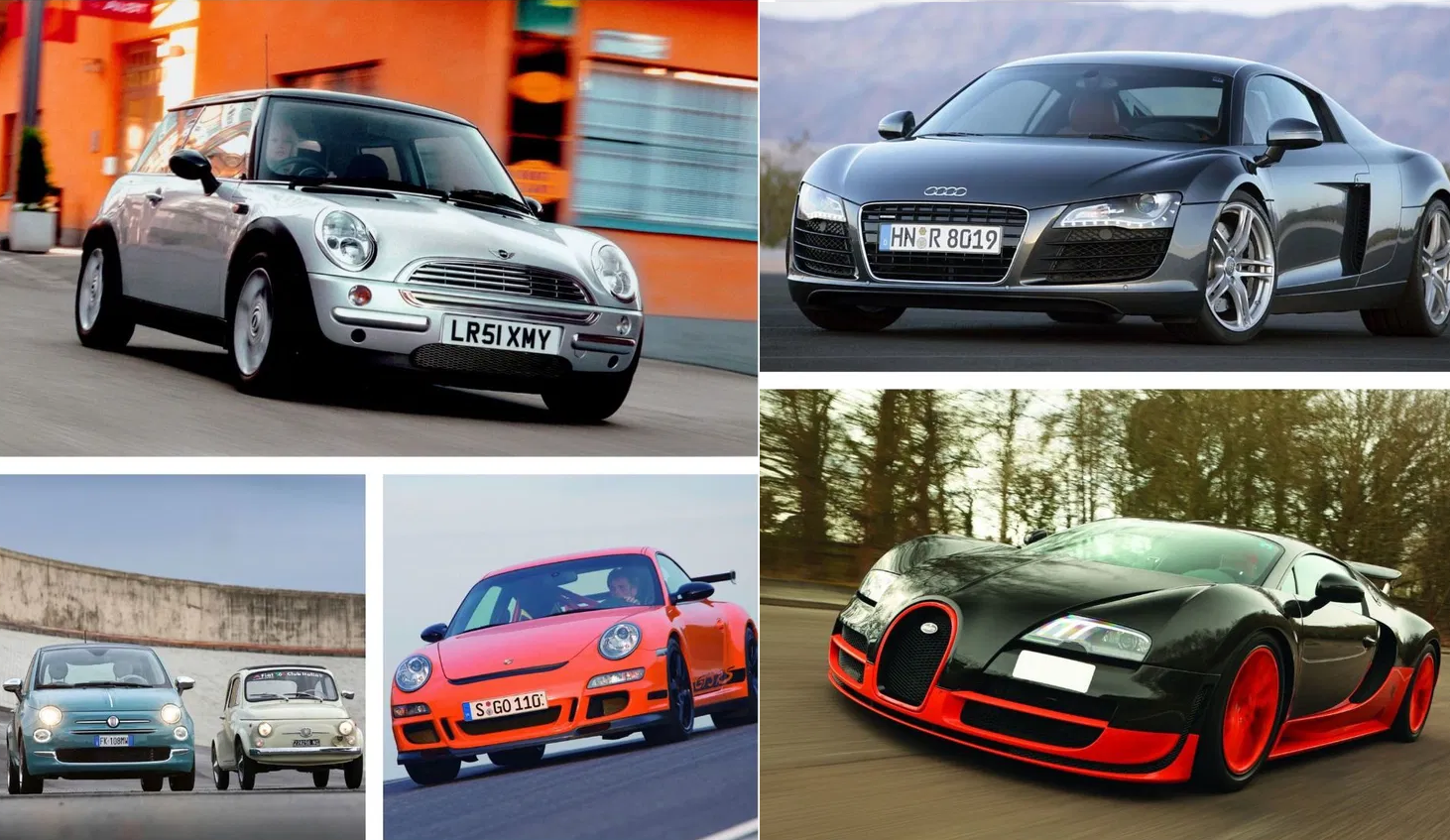
Below is a gallery of cars using the internal combustion engine, beginning with the relatively simple Benz Motorwagen, and continuing for the next 140 years, gradually becoming more and more complex. Of course I had to choose a small representative sample, since it would be impossible to list them all.


More Great Stories by Cathy
The Case for Evolution
JoAnn Morgan, Aerospace Engineer