How the U.S. States Got Their Names
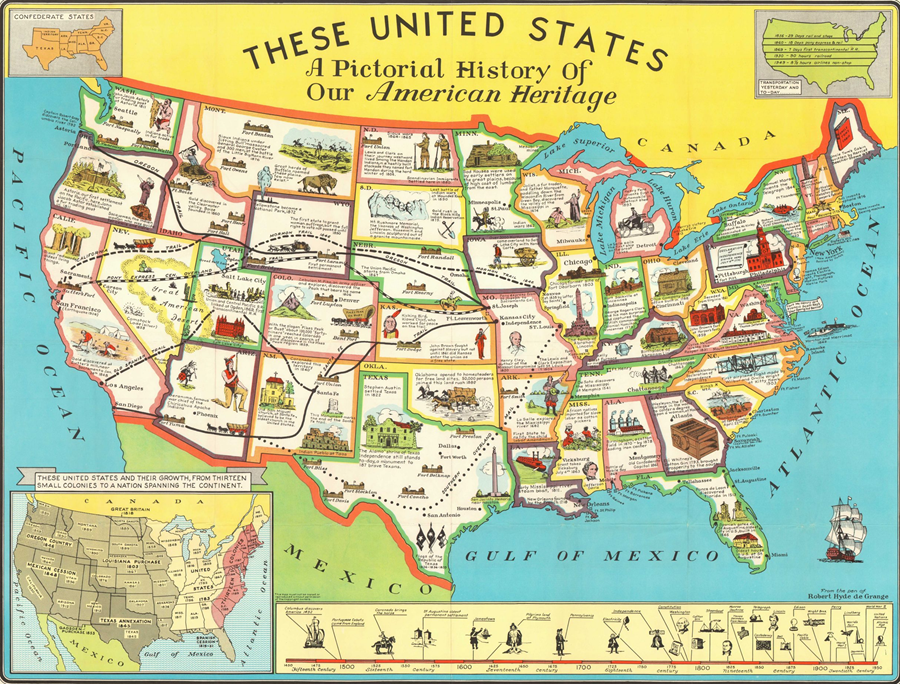
Following are the 50 States’ names with brief explanations of their origins. Please note, this list may have some inaccuracies, because as I researched the state names, I often found multiple explanations at various sources, many of which contradicted each other. So I had to try to choose the options which seemed to be confirmed by the most legitimate authorities. I used the word “Indian” rather than “Native American” in the cases where I was quoting or paraphrasing historical sources. ALABAMA: Named after a Muskogean-speaking Creek Confederacy tribe called the Alabamas, Alibamons or Alibamus. The word is roughly translated as ‘clearers of the thicket’ or ‘herb gatherers’. ALASKA: From the…
President Roosevelt’s Executive Order 8802, June, 1941
“Reaffirming Policy Of Full Participation In The Defense Program By All Persons, Regardless Of Race, Creed, Color, Or National Origin, And Directing Certain Action In Furtherance Of Said Policy” This resulted in people of color, and women of any race, being brought out of the “back rooms”, so to speak, where they had been treated as substandard humans. Now their accomplishments could receive the same recognition as those of white men. It also meant they could receive fair pay, as well as advance upward in their job. (For those who love to throw party in each other’s faces, Roosevelt was a Democrat). More information and the full text of the…
Yankee Doodle
Yankee Doodle went to town riding on a pony Stuck a feather in his hat and called it macaroni Did you ever wonder what that second line means? To be “macaroni” was to be sophisticated, upper class, and worldly. In “Yankee Doodle,” the British were mocking what they perceived as the Americans’ lack of class. The first verse is satirical because a doodle—a simpleton—thinks that he can be macaroni, i.e., fashionable, simply by sticking a feather in his cap. This nonsense song was originally sung by the British military to mock the disheveled, disorganized colonial “Yankees” during the French and Indian War. It was written at Fort Crailo around 1755…
Ulysses S. Grant vs. Catholics
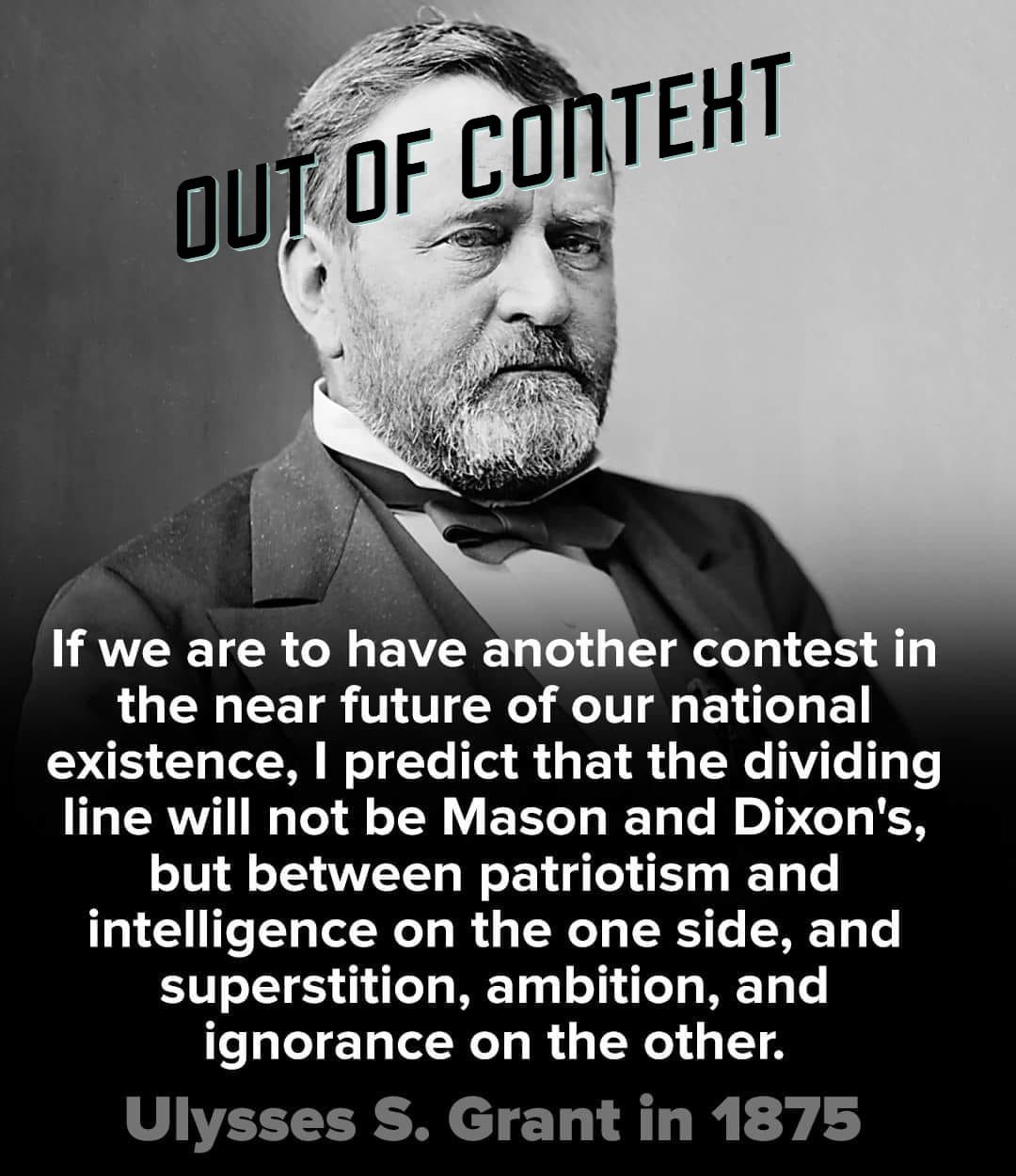
People love to share clever quotes by public or historical figures on social media, and while the sentiment may be nice, 9 times out of 10, I’m unable to confirm that the person in question ever actually said that. Sometimes they did say it, but often, it’s taken out of context. I’ve been seeing this Grant meme going around lately, and it’s an example of a quote that may be taken out of context. Yes, he said it, but…. The quote was lifted from a speech Grant gave at the Ninth Annual Meeting of the Army of the Tennessee in Des Moines, Iowa, on September 29, 1875. Before this speech,…