

Shrunken Heads and Inflated Egos
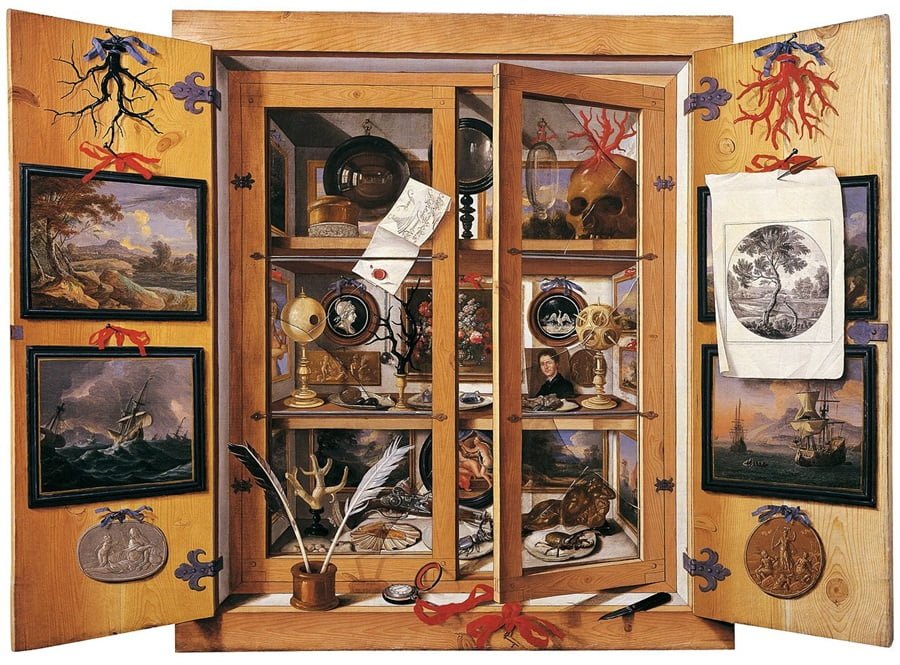
The 1500s was the Age of Exploration, as ships became faster and more efficient, if not necessarily safer. Adventure seekers traversed the world and brought home every kind of curiosity and artifact from distant lands. These oddities were in great demand by collectors, who clamored for the strange, bizarre and unusual, and Cabinets of Curiosity became a focal point in upper class homes.
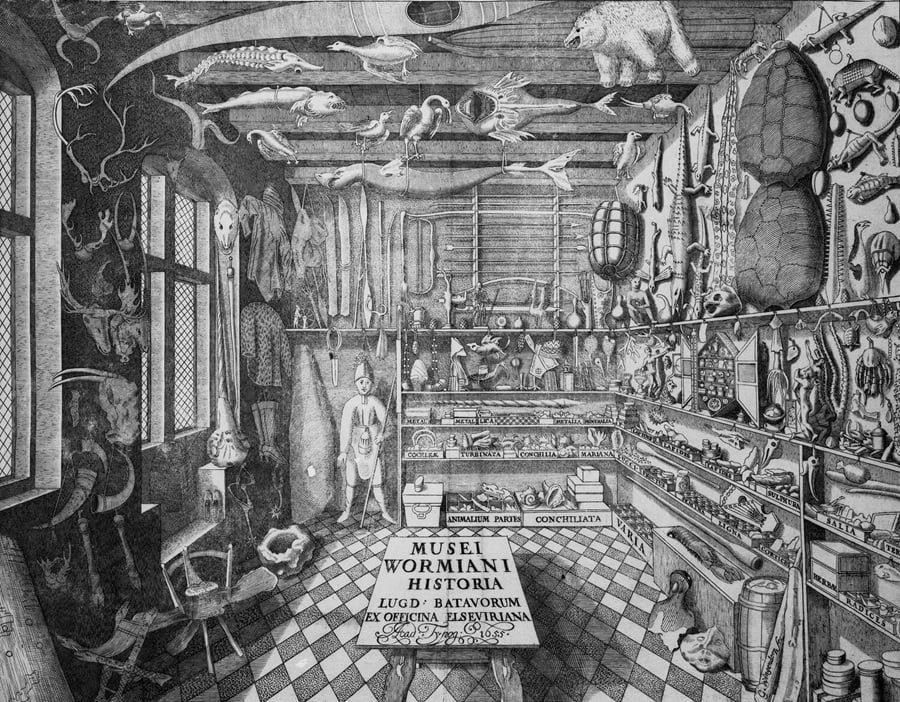
The Cabinet of Curiosity displayed everything from fossils to strange stuffed animals to tribal masks, and anything else to impress guests and spark debates about the nature of the offbeat items. The more absurd and gruesome, the better.
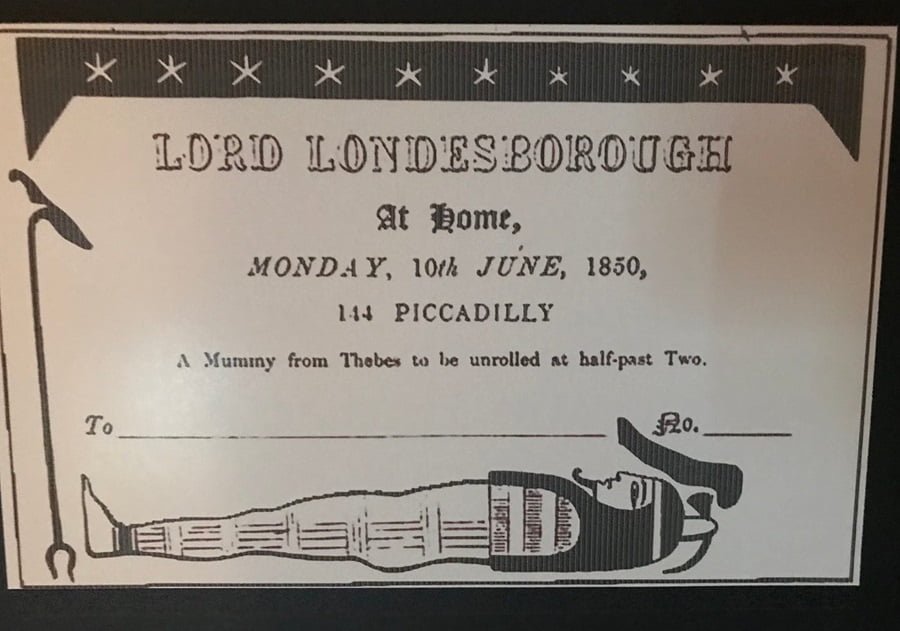
Then in 1798, Napoleon conquered Egypt, and within a few years, his scholarly entourage carried mummies, papyri and other artifacts back to Europe, which were quickly discovered by oddity collectors. The Egyptology craze had begun.
By now, the oddities mania had escalated until a few cabinets no longer sufficed. Entire rooms were converted to private mini-museums through which guests could tour, and everyone who was anyone had to have at least one Egyptian mummy prominently displayed.
Not to be outdone, Americans jumped into the fray and began collecting their own artifacts, including Egyptian mummies.
Those who couldn’t afford an entire mummy had the option to buy a part of one from dealers who specialized in slicing them into their component pieces. Depending on one’s financial situation, a head or limb might be had, or a hand or foot, or just a finger or toe.
Those lucky enough to afford a few complete mummies would have mummy-unwrapping parties.
During the 18th and 19th centuries, European adventurers began exploring the South American continent, where they encountered many indigenous cultures. Among these were the Jivaro peoples of the Amazonian rainforest between northern Peru and eastern Ecuador. One of the Jivaro tribes were called the Shuars.
The Shuars are the famous headhunters often featured in old films. These were the people who decapitated their dead enemies and shrunk their heads. Head shrinking was a long complicated process and I won’t go into the gory details. Once shrunken, the heads were used in various rituals, worn as trophies, and used as a kind of amulet or fetish to ward off evil.
In my research, I was unable to determine exactly who started the macabre trade, but approximately around 1850, a person or persons unknown wanted shrunken heads. The Shuars wanted guns. A bargain was struck. The price was one gun for each head. The heads carried back to Europe and America were a smash hit in the oddities market. The demand soon skyrocketed and other traders jumped in the game.
The Shuars didn’t have a stockpile of heads, and a wholesale slaughter ensued. They began raiding neighboring tribes to obtain heads to meet the demand. Even that wasn’t enough, as was revealed decades later when shrunken heads that had made their way from oddity collections into museums were analyzed. Many of the heads were monkeys and sloths, and some were even women! The shrinking process disguised the features enough to fool the buyers. And as far as anyone knew, women (or animals), had never been used in traditional head shrinking rituals before the trade began.
But it didn’t stop with the Shuars.
Of the several tribes comprising the Jivaro peoples, the Shuars were apparently the only ones who had traditionally practiced head shrinking. But when the Achuar, another Jivaro group, saw the Shuars amassing guns, they weren’t to be left out. They also began raiding other groups to seize heads for shrinking. Soon, they were accumulating their own hoards of guns.
Armed gangs from the two rival tribes began scouring the region for any useable head, terrorizing the tribes and villages which weren’t participating in the ghastly pursuit.
In the 1930s, the Peruvian and Ecuadorian governments teamed up to outlaw shrunken head trafficking. That stopped the carnage in South America, but the heads already in other parts of the world continued to change hands. The United States banned imports of them in 1940, and for a while they were traded on the black market. But interest gradually died down, and today most of the known specimens are in museums or have been repatriated to their countries of origin.
I chose not to add images of shrunken heads or gruesome mummy photos to this post for several reasons. Instead, I decided to use pictures representing the curiosity collections that started it all.


More Great Stories by Cathy

Nature’s Light Show

History of Presidential Pardons and Clemencies
19 Comments
Bedabrata Chakraborty
This was a thought-provoking read. Thankful you did not add real pictures since I do not like gore of any kind.
Karletta
I found this article both interesting and disturbing. This is a very real part of human history, and from your research it looks like the upper class were driving this market to as you say – “impress guests and spark debates about the nature of the offbeat items. The more absurd and gruesome, the better.”
The good in humanity continues to shine through thank goodness – with the banning of many terrible practices. Still, makes me wonder what these offbeat items have been replaced by in the upper untouchable realms of society who look for cruel entertainment.
alejandra
History can be fascinating… and cruel. Oh my. I have heard about the Jivaros, but, honestly, I thought it was just a disturbing legend, not a real thing.
LisaLisa
What a fascinating piece of history. It’s incredible how the demand for rare and unusual collectibles led to such unexpected and often troubling consequences. The connection between curiosity collections, Egyptian artifacts, and the shrunken head trade is both eye-opening and thought-provoking
Victoria Prassd
It’s always important to remind ourselves every now and again that this gruesome part of history existed.
And while shrunken head trafficking has come to an end, other forms of trafficking have taken it’s place.
Beth
I have never understood why anyone would want a shrunken head. They are the most macabre things I have ever seen.
Claudia
How grizzly! I can’t believe they were ever popular anywhere but in the original tribes. I find them revolting. VERY intresting read, however.
Jerry C Godinho
The shuars were famous for their very macabre regarding war spoils and a shrinking head was a weird way of showing their ways. History is filled with these stories and you def covered one gruesome one
Amber Myers
I always enjoy reading about history–even the gruesome kind. I have seen shrunken heads before and they are rather fascinating.
Barbara R
A shrunken head is scary to me. I never thought they wore them to ward off evil spirits. The entire idea is gruesome, but people did some crazy things throughout history.
Neha
I must say, history can be fascinating but it is slightly disturbing too! I am just relieved that shrunken heads are not a thing anymore.
Melanie E
Fascinating and unsettling history that shows how curiosity and collecting can have unintended consequences. It’s a powerful reminder of how demand can shape and even distort entire cultures and practices.
Sonia Seivwright
Not exactly light lunchtime reading, but wow, this was interesting. What got me most was the way you connected ego, collecting, and cruelty so clearly without making the post feel sensational. You told it in a calm way, which somehow made the whole thing hit even harder.
Elizabeth F
What a macabre tale of human depravity and lunacy for sport. I’ve read about this and of cultures that practiced head shrinking and seen photos of them, but this particular diabolical history is one many historians from Europe and the Americas tend to sit on.
Instead, history books are filled with revisionist history about taming the barbarians and all the other garbage the general public grew up reading in schools.
There are worse tales I could share but that’s not the point, here. Some say that man is inherently evil. To some degree, I concur.
History is a great teacher and the mistakes of man tend to repeat themselves if not checked.
Clarice
I find this really sad. It highlights how greed can sometimes overshadow basic respect for human dignity. Looking back at history, it often feels like we’ve placed value on the wrong things. Personally, I don’t think having human remains, skulls, or mummies as prized possessions is something to be proud of. They were once real people and deserve to be treated with respect, not as collectibles.
Emily
Oh my goodness, what a crazy thing to think about happening in our not so distant past. I imagine the images of the shrunken heads are just terrifying to see!
Camilla
Wow this history is quite dark. Very informative though. It’s so bizarre that this was something even occurring.
Carol Cassara
I don’t know how I missed this first time around! These are definitely grisly artifacts–and you sure have done the research, which I found riveting. I always wondered if these were real or not.
Zoe Q.
The shrunken heads metaphor is a bit unhinged, but the ego part is spot on.